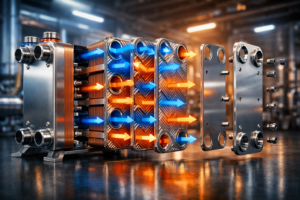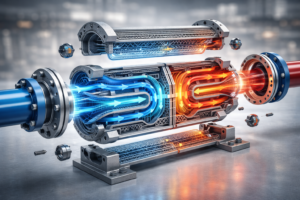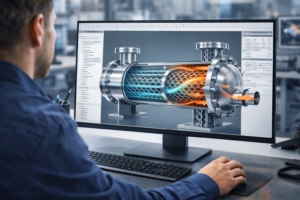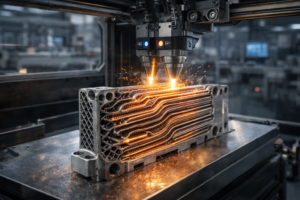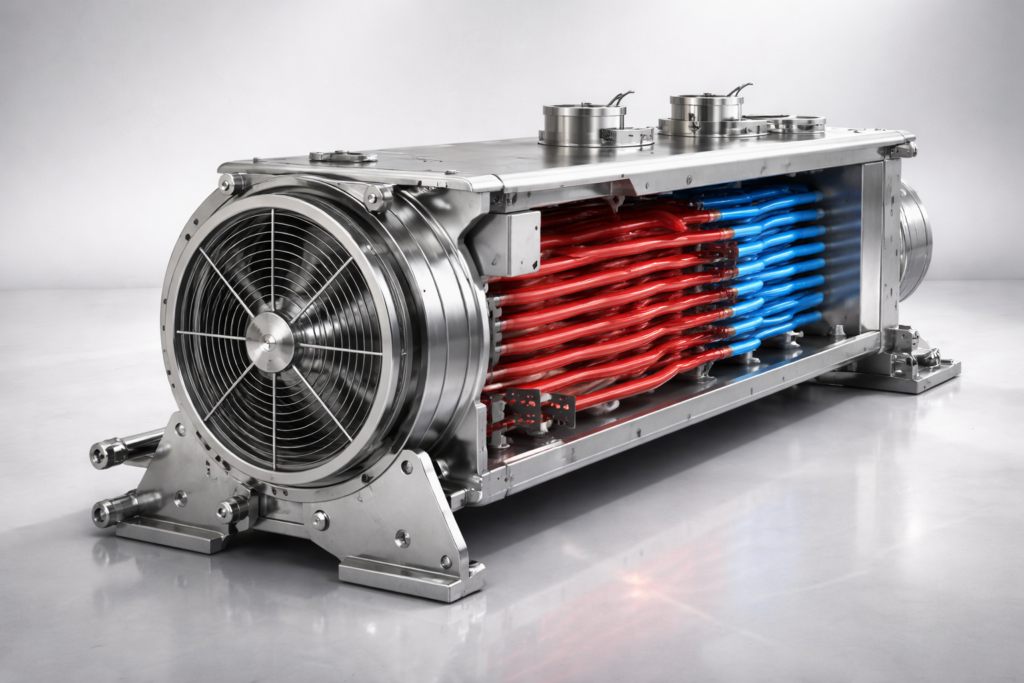
In Germany’s competitive manufacturing, design, and eCommerce landscape, product marketing has moved far beyond static photos and basic visuals. Brands today need lifelike, immersive, and flexible content that helps customers understand products instantly. This is where various techniques come into play. Photorealistic 3D rendering becomes a game changer in the realm of computer graphics.
Instead of waiting for physical prototypes or organizing costly shoots, companies can now create a photorealistic visual experience that feels almost indistinguishable from real-life photography. This approach is especially valuable in 3D animation in industrial marketing & sales, where complex machinery, processes, and product features must be communicated clearly. From industrial machinery to consumer goods and interior design products, photorealistic 3d helps brands bring ideas to life faster and smarter.
This complete guide explains how photorealistic rendering improves product marketing, supports better design decisions, and helps German brands compete globally.
Why Photorealistic 3D Rendering Matters for Modern Product Marketing?
German buyers are detail-focused and quality-driven. They expect clarity, realism, and trust before making decisions. Photorealism in 3d delivers this by accurately simulating how light interacts with materials, surfaces, and environments in the real world.
Photorealistic 3d renders allow marketing teams to present products in multiple environments without rebuilding or reshooting anything. The final image looks lifelike, high fidelity, and often indistinguishable from photographs.
Key advantages include:
-
Faster time to market without physical prototypes
-
Flexible product images for websites, catalogs, and campaigns can benefit from animations using different light.
-
Consistent branding across regions
-
Reduced long-term content production costs
Render and 3D Render Workflows in Product Marketing
How a Render Brings Ideas to Life
A render is not just a visual output. It is the result of accurate 3d modeling, realistic texturing, controlled illumination, and thoughtful camera setup. Using a modern rendering engine such as V-Ray or real-time ray tracing systems, brands can simulate depth of field, camera angles, and lighting like a photographer would in a studio, enhancing the quality of animations using different light.
A typical 3d render workflow includes:
-
Building a precise 3d model
-
Applying texture mapping and shaders is crucial for achieving realism in animations using computer graphics.
-
Using physically based rendering materials
-
Setting up lighting and materials
-
Exporting a high-resolution final image
This process allows teams to test design decisions early and streamline approvals.
Photorealistic Rendering vs Product Photography
CGI vs. Traditional Photography in Marketing
CGI vs. Traditional Photography is no longer about which looks better. It is about flexibility, speed, and scalability. Highly realistic rendering allows brands to update visuals without reshoots, shipping, or location constraints.
| Aspect | Photorealistic Rendering | Product Photography |
|---|---|---|
| Flexibility | Easy to modify colors, materials, angles | Requires reshooting |
| Cost over time | Lower due to reuse | Higher per shoot costs can be justified by the quality of animations using advanced techniques. |
| Consistency | Fully controlled illumination | Environment dependent |
| Speed | Fast updates | Slower revisions can hinder the progress of animations using modern techniques. |
This is why many German brands rely on 3D Product Visualization for digital catalogs and online stores.
Lighting and Visualization Techniques That Achieve Photorealism
Lighting, Ray Tracing, and Global Illumination
Lighting is the key to achieving photorealism in computer graphics. Techniques such as ray tracing, global illumination, and physically based rendering simulate how light behaves in real-world conditions.
Modern photorealistic rendering software supports:
-
Specular highlights and reflections
-
Depth of field for camera realism
-
Chromatic aberration for subtle lens effects
-
Controlled imperfection to avoid overly clean surfaces
According to McKinsey, companies that invest in richer digital product content and experience design can see double‑digit improvements in customer engagement and conversion.
Photorealistic 3D Visualization for Product Images and Sales
Realistic 3D Product Presentation
Photorealistic 3D visualization allows customers to understand form, texture, and scale immediately through various techniques. Lifelike images reduce hesitation and improve buyer confidence, especially for technical or premium products.
This approach is widely used for:
-
B2B product catalogs
-
eCommerce product images can be enhanced with animations using different light to attract customers.
-
Trade fair visuals
-
Digital product launches
Statista data highlights growing European demand for digital video formats, with consumers favoring personalized and on-demand content over traditional viewing. User penetration for TV & Video in Europe reaches 95% in 2025, driven by streaming flexibility across devices.
Animation and 3D Animated Visuals in Industrial Marketing & Sales
Animation as a Marketing Tool
Animated visuals using different light transform static visuals into immersive experiences. With animated visuals, brands can demonstrate functionality, internal mechanics, and usage scenarios clearly through animations using various techniques.
3D Animated visual in Industrial Marketing & Sales is commonly used for:
-
Engineering product explanations
-
Machinery demonstrations
-
Sales presentations
-
VFX-enhanced explainer content
Animated visuals using highly realistic rendering help audiences understand products faster and more intuitively.
Interior, Architectural, and Photorealistic Architectural Rendering
Interior Renders and Architectural Visualization
Photorealistic architectural visualization plays a key role in interior design, real estate, and furniture marketing. 3d interior renders allow brands to show products in realistic environments instead of isolated studio shots.
Typical applications include:
-
Photorealistic architectural interiors
-
Interior renders for brochures and catalogs
-
Architectural visualization for marketing visuals
-
Realistic staging for product launches
Tools such as SketchUp and 3ds Max, combined with advanced shaders, help create photorealistic architectural visualization that feels authentic and credible.
AI, 3D Artist Expertise, and Real-Time Tools
How AI Supports the 3D Artist
AI enhances but does not replace the role of the 3d artist. It helps automate repetitive tasks while preserving creative control.
AI tools are commonly used to:
-
Speed up texturing workflows
-
Optimize scenes
-
Reduce rendering noise
-
Improve prototype visualization
This allows teams to create high-quality visuals faster while maintaining accuracy and realism.
Tip: How to Create High-Quality Photorealistic 3D Renders
To create realistic and persuasive visuals:
-
Prioritize illumination before adding fine details
-
Use physically based materials and PBR workflows
-
Study real-life photography for camera angles
-
Add subtle imperfections for authenticity
-
Select the right software and rendering techniques
-
Optimize scenes to balance speed and fidelity
These techniques help produce lifelike images that are truly indistinguishable from photographs.
Where Visual Marketing Is Headed
Photorealistic 3D rendering has become essential for modern product marketing through the use of computer graphics. For German brands competing internationally, it delivers speed, precision, and flexibility that traditional photography cannot match.
By combining realistic 3d visualization, animated visuals, and AI-powered workflows, companies can create immersive experiences that improve understanding, strengthen trust, and support smarter design decisions. Whether used for product photography alternatives, architectural visualization, or industrial animated visuals, highly realistic rendering elevates how products are presented and perceived.
See how photorealistic 3D rendering is used in real product marketing projects by exploring Estee Lauder visual design work.
FAQs
What are the benefits of using 3D rendering in fashion design?
3D rendering helps fashion teams visualize fabrics, colors, and fits digitally. This reduces sampling costs, shortens development cycles, and speeds up design approvals.
What advantage does creating a 3D model give a product development team?
A 3D model enables early visualization, faster iteration, and clearer collaboration across design, engineering, and marketing teams before physical production begins.
What are the various techniques used in photorealistic rendering?
Photorealistic rendering relies on techniques such as physically based rendering, ray tracing, global illumination, advanced shaders, and detailed texture mapping to achieve realistic results.
How is 3D modeling used in advertising?
3D modeling is used to create realistic product images, animated visuals, and immersive content that enhances storytelling and improves audience engagement across marketing channels.