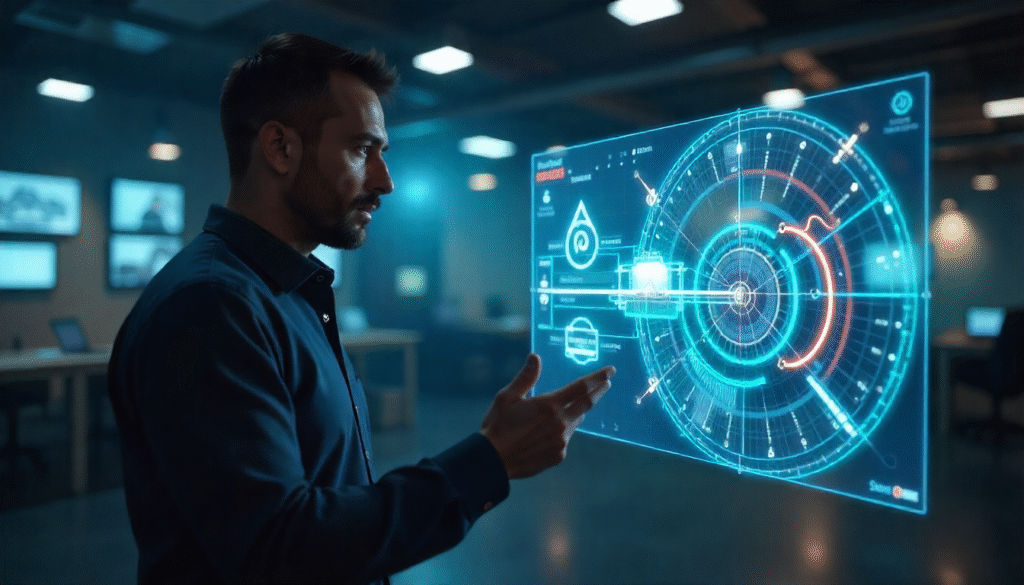
If you have ever tried explaining a complex engineering idea using traditional presentations, you know the struggle. Static slides only go so far. Clients want to see, understand, and experience your idea, not guess at what a 2D diagram is trying to say. That is exactly where 3D Animation for Client Presentations becomes a game-changer.
Across Australia’s engineering sector, 3D animation is no longer a fancy extra. It has become a practical communication tool that helps teams explain designs, win tenders, secure approvals, and build trust with stakeholders. Beyond presentations, many firms also use 3D animation for marketing to showcase complex products and projects in a clear and visually engaging way. In other words, 3D animation transforms how engineers present, teach, pitch, and persuade.
Let’s explore why this shift is happening and why 3D visuals are becoming a standard part of modern business presentations.
The Power of 3D Animation in Modern Visual Communication
Clients today expect clarity and speed. They want information that is easy to absorb and visually intuitive. This aligns perfectly with how leveraging 3D can transform traditional presentations. 3D animation, 3D modeling, and detailed 3D visuals work.
A study by HubSpot found that 72 percent of people prefer learning about a product or project through video rather than text. When the video is animated, interactive, and photorealistic, engagement jumps significantly.
For engineering firms, this means 3D product animation is essential for creating realistic 3D product visualizations, architectural animation, and 3D product videos, which help audiences visualize even the most complex systems. Instead of explaining the mechanism of a conveyor or a pump, you simply show it using animated content. That clarity helps clients make faster decisions and reduces back-and-forth questions.
Where 3D Animation Transforms Client Presentations
Below are the most common areas where engineering teams use animations to make their presentations more powerful and useful, especially in product presentations. These examples also highlight why businesses should invest in 3D marketing, since the same visuals that support engineering communication often become valuable assets for sales, outreach, and brand positioning.
1. Concept and Strategy Presentations
Use animation to make the strategy visible. With interactive 3D animation sequences and animated presentation templates, you can turn abstract ideas into visual stories.
2. Product Demonstrations
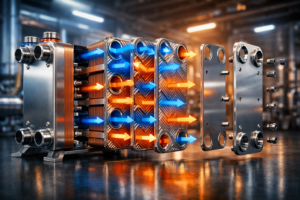
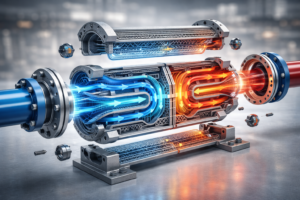
3D animation helps teams show exploded animations, internal components, safety systems, energy flows, and product features that are hidden in real life, which can be effectively showcased through engaging 3D product visualizations.
3. Unbuilt Designs
Architects and engineers rely on detailed 3D models, architectural animation, and immersive 3d visuals to show projects that are still in early design stages. Leveraging 3D can enhance clarity and engagement.
4. Launch Presentations
A launch presentation backed by a 3D product video, dynamic 3D animation, or high-quality 3D rendering can impress investors and customers.
5. Corporate and Business Presentations
Companies use animation in presentations to simplify process flows, safety procedures, logistics, and technical explanations.
Why 3D Animation Helps Engineering Firms Close More Deals
Here is where the numbers really tell the story. According to Wyzowl’s 2024 Video Usage Report:
Clients retain up to 95 percent of a message when delivered through video compared to only 10 percent through text.
This retention rate is one of the biggest reasons engineering firms rely on professional 3D animations in bids and tenders. When clients understand your solution clearly, they trust it more. And when you can show your design in an animated 3D scene rather than a PDF, your proposal instantly feels more credible.
3D animation also reduces miscommunication. Animation gives teams a shared understanding and cuts down on revision cycles because everyone finally sees the same thing.
How 3D Animation Elevates Storytelling in Business Presentations
Storytelling is critical in engineering, especially when clients have a limited technical background. 3D animation allows you to:
-
guide the viewer through a narrative
-
illustrate cause and effect
-
show the sequence of events
-
Add animation effects to enhance focus
-
highlight safety or efficiency improvements
-
transform static plans into moving stories
This visual storytelling builds emotional connection and keeps your audience interested rather than overwhelmed by technical details.
Key Types of 3D Animation Services Engineers Use
Below is a quick breakdown of animation types and where each shines.
| Animation Type | Best Use Cases |
|---|---|
| 3D Product Animation | Machinery, equipment, prototypes, moving parts |
| Architectural Animation can greatly benefit from incorporating engaging 3D elements. | Buildings, site layouts, infrastructure |
| Exploded Animation | Showing internal components, assembly, and repair |
| Photorealistic 3D Rendering | Marketing images, tender documents |
| Data Animation | Charts, safety stats, energy flows |
| 2D Animation | Simple diagrams, infographics, and training |
| Interactive 3D elements can significantly enhance product presentations. | Touchscreen demos, trade shows |
| 3D Product Video | Launch events, marketing, corporate presentations |
Different animation styles suit different goals. The best approach depends on the audience, timeline, budget, and the complexity of your design.
Why 3D Animation Tops Traditional Presentations
If you compare a traditional slide deck to a presentation with 3D visuals, the differences are clear.
Traditional presentations:
-
rely heavily on text and diagrams
-
struggle to explain complex systems
-
often overwhelm non-technical clients, but engaging 3D animations can simplify the message.
Presentations with 3D:
-
show instead of tell
-
reduce confusion
-
help clients understand scale, motion, and structure
-
keep audiences engaged through animated content, particularly when utilizing engaging 3D elements.
In many engineering proposals, the simple act of using 3D animation transforms a confusing idea into a confident yes.
How 3D Animation Improves Product Understanding
A great animation can show:
-
How a machine works
-
What happens inside a sealed system
-
Where heat, pressure, or energy flows
-
How a building interacts with its environment
-
How a product assembles and disassembles
This level of clarity is impossible with static images. 3D animation enhances your presentation by giving clients a view that does not exist in the physical world.
3D Animation Process: How It Works
A typical animation project includes:
-
Concept and script
-
3D modeling
-
Detailed 3D materials and textures
-
Animation of sequences and transitions
-
Lighting and rendering play a critical role in creating realistic 3D animations.
-
Final 3D video design
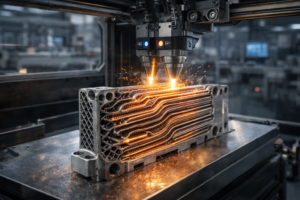
Professional animation companies also provide 3D animation services like simulation, exploded views, and photorealistic rendering for advanced engineering presentations.
Tips to Get the Most Out of 3D Animation in Your Presentations
-
Incorporate 3D only where it adds clarity.
-
Use animations to simplify, not complicate.
-
Keep the 3D scene realistic unless stylization is intentional.
-
Maintain consistent visual storytelling across slides or videos.
-
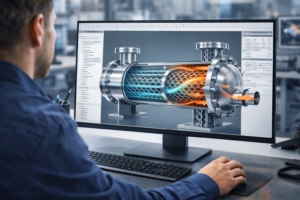
Use animation software that can integrate with PowerPoint or interactive platforms to enhance product presentations.
Before You Wrap Up Your Next Presentation
Australian engineering firms are not choosing 3D Animation for Client Presentations just because it looks impressive. They rely on it because it makes complex information more digestible through animation in client presentations. changes the entire conversation. When clients can see moving parts, understand complex systems instantly, and follow a clear visual story, their confidence rises and decisions come faster.
3D animation turns questions into clarity, technical challenges into simple visuals, and ordinary presentations into something clients actually remember. In a market where everyone is competing for attention, using high-quality 3D visuals is not just smart. It is an advantage that pays off in trust, persuasion, and ultimately, more wins.
If you want your products to look as impressive in your marketing as they do in real life, you will love what comes next.
Bring your products to life with stunning, high-quality 3D animations designed for modern brands.
FAQs
How can 3D animation highlight my product’s value proposition?
By showing product features in motion. Animation brings benefits to life through visuals, not descriptions.
How can 3D visualization clarify complex product functionality?
It allows viewers to see inside components, follow moving parts, and understand how systems interact.
How to make animations for a presentation?
You can use animation tools like Blender, Maya, KeyShot, or PowerPoint’s built-in animated features for simpler effects.
What 3D animation software do professionals use?
Autodesk Maya, 3ds Max, Blender, Cinema 4D, KeyShot, and Unreal Engine are commonly used for creating engaging 3D animations.
Can 3D visuals replace the real product?
For presentations, training, and marketing, yes. 3D visuals often provide a clearer and safer view than physical demos.