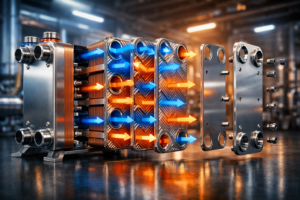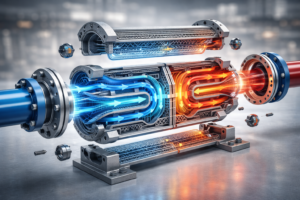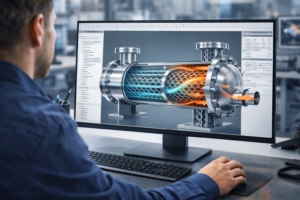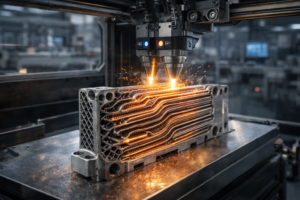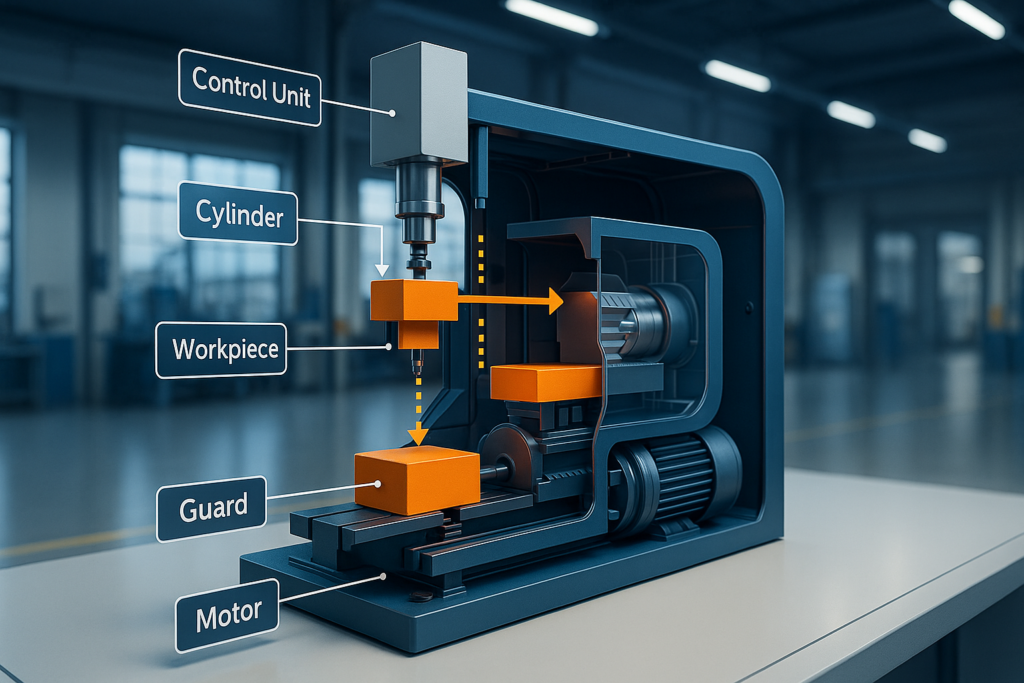
In today’s industrial and engineering-driven economy, explaining complex ideas clearly is no longer optional. It is essential. This is where technical 3D animation steps in as a powerful communication tool. Instead of relying on dense manuals, flat drawings, or lengthy explanations, companies can now visualize intricate concepts in a way that feels intuitive and engaging.
For German industries known for precision engineering, automotive innovation, manufacturing excellence, and advanced machinery, technical animation has become a practical solution. It bridges the gap between technical data and human understanding by transforming complex processes into clear, three-dimensional visuals that anyone can follow.
Why Animation Matters in Modern Technical Communication?
Animation removes language barriers and simplifies processes that require explanation. Whether the audience is an engineer, a technician, an investor, or a client, animated visuals communicate ideas faster than text alone.
Industries across Germany increasingly rely on 3d animation to explain how machines work, how systems interact, and how workflows move from start to finish.
Key reasons animation works so well:
-
It turns technical content into digestible visuals
-
It illustrates motion, sequence, and interaction
-
It helps visualize what cannot be filmed easily
-
It reduces misunderstandings around complex issues
This is why many professionals now agree that 3D animation helps engineers visualize complex processes more effectively than static diagrams.
Understanding Technical 3D Animation and Technical 3D
Technical 3d animation is a specialized form of computer-generated animation designed to explain complex technical processes, machinery, or systems with accuracy and clarity. Unlike entertainment animation, the focus here is precision, realism, and correct representation of technical data.
It often involves:
-
3d modeling based on real CAD data
-
Accurate rendering of materials and mechanics
-
Step-by-step breakdowns of workflows
-
Simulation of liquid, particle, and mechanical behavior
The result is high-quality 3d animations that can explain even the most intricate concepts.
How 3D Technical Animation Helps Industries Like Manufacturing?
Industries like manufacturing, automotive, aerospace, renewable energy, and robotics rely heavily on 3d technical animation to communicate internally and externally.
Typical applications include:
-
Assembly and disassembly sequences
-
Machine operation demonstrations
-
Safety and training animations
-
Product walkthroughs
-
Process optimization visuals
In fact, 3D animation is revolutionizing industrial applications by replacing outdated manuals with dynamic 3d visualizations that are easier to understand and remember.
Create Technical Clarity Using 3D Animation and Visualization
Visualization allows viewers to see how components interact in real time. With three-dimensional depth, viewers can explore internal mechanisms, hidden systems, and operational logic that flat images simply cannot show.
Using 3d animations and 3d visualizations, companies can:
-
Illustrate invisible processes
-
Visualize airflow, pressure, heat, or fluid movement
-
Simulate real-world operating conditions
-
Present precise and realistic scenarios
This is especially valuable when working with cad model data or complex 3d cad assemblies.
Workflow: How to Create 3D Technical Animation Step by Step
Creating high-quality 3d visuals follows a structured workflow that ensures accuracy and clarity.
Step-by-step process:
-
Review cad data or reference materials
-
Build accurate 3d modeling structures
-
Apply textures and materials for realism
-
Animate components using correct animation techniques
-
Simulate movement, liquid, or particle behavior
-
Render scenes for final output
This structured approach ensures the final result can create technical clarity while remaining visually engaging.
Advantages of Technical 3D Animation Over Traditional Methods
Compared to drawings or static illustrations, 3d animation offers clear advantages.
Advantages of technical visualization:
-
Faster understanding of complex processes
-
Better stakeholder engagement
-
Reduced training time
-
Improved sales and marketing communication
-
Consistent messaging across teams
When comparing 3D animation vs. traditional methods, animated visuals consistently outperform static content in clarity and retention.
Examples of Technical 3D Animation in Action
German companies often use technical animation to:
-
Explain advanced automotive systems
-
Showcase industrial automation lines
-
Visualize renewable energy installations
-
Demonstrate medical or laboratory equipment
These high-quality 3d animations allow engineers and decision-makers to explore complex technical systems before physical production begins.
Impact of 3D Animation
Deloitte notes 3D modeling improved defect detection by 67% in one case, reducing asset downtime. They also describe 3D capture saving hundreds of thousands in travel costs and over 6,000 hours of survey work for bank branch redesigns. Spatial computing enables 3D models for manufacturing and simulations, with 26% of surveyed firms using extended reality tools.
3D modeling held the largest share at 35.4% in 2023, while visual effects grew fastest. End uses span architecture, manufacturing, media, and healthcare, fueled by digital transformation initiatives like Digital Strategy 2025. Germany hosts 18+ specialized 3D animation firms amid a broader IT market hitting $75.48 billion by 2025.
These figures highlight why creating high-quality 3d visuals is becoming a strategic investment rather than a creative luxury.
Tips to Animate Technical Content Effectively
-
Always start with accurate CAD or technical data
-
Keep sequences clear and logically ordered
-
Focus on clarity before visual flair
-
Use labels and callouts sparingly
-
Ensure motion reflects real-world behavior
When done correctly, using 3d tools can transform even the most complex issues into understandable visuals.
Comparison Table: 3D Animation vs Traditional Visuals
| Feature | 3D Animation | Traditional Diagrams |
|---|---|---|
| Ability to visualize motion | High | Low |
| Explains complex processes | Excellent | Limited |
| Viewer engagement | High | Moderate |
| Accuracy using CAD data | Very high | Medium |
| Training effectiveness | Strong | Weak |
Seeing Engineering Through A Clearer Lens
Technical 3D animation has become an essential tool for industries that value precision, clarity, and innovation. For Germany’s engineering-driven sectors, it offers a smarter way to explain, teach, and communicate complex technical ideas.
By combining 3d animations and 3d visualizations, companies can animate workflows, illustrate systems, and create 3d content that is both informative and engaging. As technology evolves, technical animation will continue to play a critical role in how industries communicate and innovate.
If your team needs to visualize complex processes, train stakeholders, or present industrial systems clearly, dedicated industrial and engineering 3D animation services in Germany can be tailored to real-world manufacturing and engineering needs.
FAQs: Technical 3D animation for engineering and industry in Germany
Is Germany good for animation?
Yes, Germany has a strong animation and visualization ecosystem, especially in industrial and technical fields. The country’s focus on engineering, manufacturing, and innovation creates high demand for technical 3d animation across multiple sectors.
Which degree is best for 3D animation?
A degree in animation, 3d design, engineering visualization, or digital media is commonly preferred. For technical animation, a background in engineering or CAD combined with animation skills is especially valuable.
What industries benefit the most from technical 3D animation?
Industries like manufacturing, automotive, aerospace, renewable energy, and industrial automation benefit the most. These sectors rely on 3d animation to explain complex processes, visualize systems, and communicate precise technical data clearly.
How is technical 3D animation used in engineering projects?
Technical 3d animation is used to visualize workflows, demonstrate machine functionality, simulate processes, and support training or presentations. Engineers use it to communicate intricate concepts accurately and reduce misunderstandings before physical production begins.