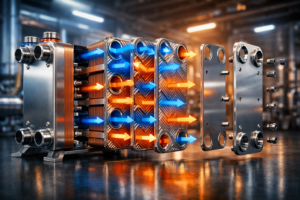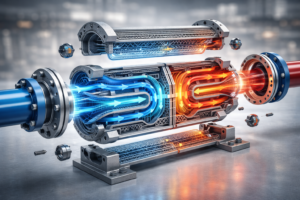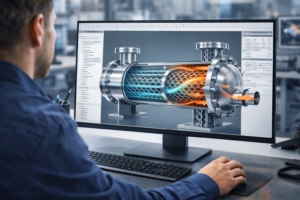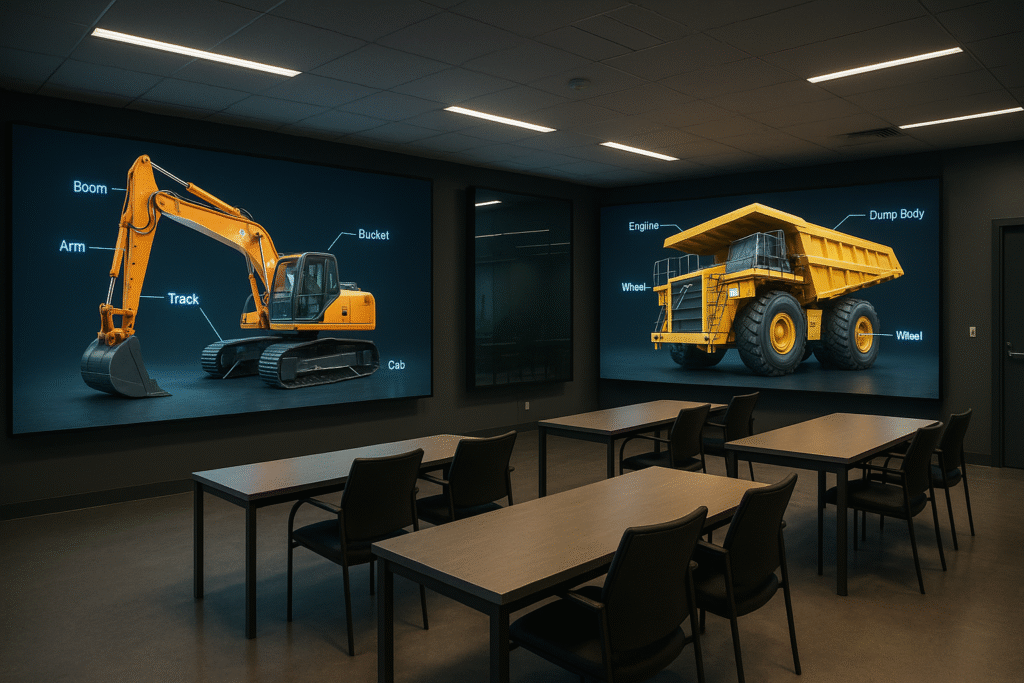
The world of heavy machinery in Australia is fast-moving and highly technical, especially with cutting-edge 3d technology. Mining sites, construction equipment fleets, manufacturing processes, and industrial environments all rely on complex machinery that must be understood clearly for safe and efficient operations. This is why more companies now turn to equipment 3d animation for heavy machinery to visualize, simplify, and explain equipment functionality in ways that traditional training methods cannot achieve.
With modern animation, 3d models, 3d render technology, and 3d visualization techniques, Australian industries can use immersive 3d and interactive training to teach equipment operators, onboard new workers, and showcase detailed machinery operations. The power of 3d helps teams understand systems that are too large, too dangerous, or too costly to demonstrate in the real world.
This guide explores how 3d animation transforms complex machinery, improves safety training, enhances training methods, and supports heavy engineering, construction, and manufacturing teams across Australia.
Why Use 3D Animation for Heavy Machinery in Australia
Industries such as mining, construction, transport, agriculture, marine, and manufacturing depend on machinery that involves advanced mechanical systems. Traditional training methods often fail to explain these systems properly because text and 2D diagrams cannot visualize real-world movement or internal parts.
3d animation allows companies to simplify complex machinery and show exactly how equipment works. Operators can explore detailed 3d industrial animation sequences, zoom in on equipment functionality, or watch 3d animated step-by-step sequences of processes that normally require shutdowns or risk exposure.
Using 3d animation services helps businesses:
-
Visualize moving machinery components
-
Train workers safely before exposure to real equipment
-
Create animated videos that explain new equipment
-
Replace physical models with cost-effective 3d product animation solutions for training.
-
Use 3d simulation for scenario-based learning
-
Develop dynamic 3d industrial training modules that improve training and enhance learning outcomes.
According to GlobalData, Australia’s iron ore production is forecast to rise from 967.2 million tonnes in 2025 to 1.11 billion tonnes by 2030, which means more machinery, more workers, and a greater need for clear training tools such as 3D animation.
Benefits of 3D Visualization and Animation for Heavy Machinery
According to PwC, industrial manufacturing is being reshaped at unprecedented speed due to emerging tech-driven competitors, fragmented global supply networks and the push for net zero. This rapid transformation is one of the reasons companies are turning to 3d animation and immersive 3d training tools to upskill teams, modernize operations and simplify complex machinery learning.
3d visualization and animation provide benefits that physical demonstrations or printed manuals cannot offer.
Key benefits of 3D
-
Better understanding of complex manufacturing processes
-
Reduced training time
-
Greater training effectiveness
-
More engaging visual learning is achieved through the implementation of sophisticated 3d animation in educational materials.
-
Highly accurate 3d animated machinery models are part of the 3d animation revolution in industrial training.
-
Enhanced safety protocols
-
Improved decision-making through visualization and animation simplifies complex data for better understanding.
-
Clear communication across engineering, safety, and operations teams
How animation can make learning easier
-
3d video content removes guesswork
-
Safety animation videos show hazards before workers encounter them, utilizing high-quality 3d animation for better impact.
-
Animated videos are consistent and repeatable
-
3d animation allows companies to teach internal mechanisms without dismantling machinery
3d animation for heavy machinery is especially useful when the machinery is large, loud, dangerous, or located in limited-access areas.
How 3D Animation Transforms Industrial Training and Safety
Training and safety are the areas where equipment 3d animation makes the biggest impact. Heavy equipment requires a precise understanding because mistakes can lead to injury, downtime, or damage. Traditional training methods often rely on verbal instructions and printed manuals, which are not always effective for visual learners.
Animation Video Training Compared to Traditional Training Methods
Traditional training includes:
-
Classroom lectures
-
Printed diagrams
-
Verbal explanations
-
Physical demonstrations can be complemented by animation steps to reinforce learning.
While useful, these do not match the clarity of 3d animated content solutions for training. Animation transforms training by providing immersive 3d views, detailed 3d models, and real-world simulation experiences that traditional training methods cannot offer.
Making Safety Training More Effective with 3D Animation
Safety training becomes more effective when workers can experience dangerous scenarios through animation rather than in the field.
Examples of safety animation uses include:
-
Lockout and tagout training
-
Safe start-up and shut-down procedures
-
Identifying blind spots on heavy equipment can be effectively demonstrated through equipment 3d animation.
-
Demonstrating hydraulic pressure failures through animation simplifies the explanation for trainees.
-
Showing correct PPE and hazard zones
Interactive training modules featuring equipment 3d animation allow workers to revisit lessons repeatedly. This creates better training materials and improves long-term retention.
3D Animated Machinery Models for Engineering and Manufacturing Processes
Engineering teams depend on precision, clarity, and accurate visualization. 3d industrial animation and 3d CAD models create detailed representations that help engineers visualize industrial environments, manufacturing processes, and equipment functionality through cutting-edge 3d technology.
Visualization and Animation for Complex Machinery
3d designers can specialize in creating highly detailed digital twins that show:
-
Motors
-
Gear systems can be effectively illustrated through sophisticated 3d animation for better clarity.
-
Hydraulic pumps
-
Bearings
-
Control systems can be better understood through the use of 3d animation in visual presentations.
-
Conveyor components
-
Sensors
These 3d render files create photorealistic 3d representations that help engineers identify issues, improve designs, or communicate with clients.
Animation Sequences for Manufacturing Processes
Manufacturing teams often use 3d animation to explain:
-
Assembly line workflows
-
Robotic automation
-
Packaging systems
-
Quality control steps
-
Material movement
3d animation transforms complex workflows into easy-to-understand animated videos that support onboarding, troubleshooting, training, and safety documentation.
How 3D Animation Services Support Heavy Engineering Projects
Heavy engineering projects often involve large equipment, heavy machinery, and complex industrial systems that can benefit from specialized 3d animation solutions. Animation services that specialize in 3d industrial animation help companies communicate ideas, present proposals, and explain technical content clearly.
Uses of 3D Animation in Engineering
-
Presenting machinery operations through animation steps enhances comprehension and retention.
-
Creating 3d product animation for trade shows
-
Visualizing workflow for clients
-
Replacing physical prototypes with advanced equipment 3d animation can streamline the design process.
-
Creating training modules for new equipment
-
Demonstrating mechanical animation sequences
Using equipment 3d animation can be especially helpful when clients need to understand equipment functionality without seeing the machinery in person.
Real-World Applications of 3D Animation for Heavy Machinery
Mining Industry
Mining companies use 3d animation to visualize:
-
Drilling systems
-
Underground machinery
-
Ore processing equipment can be better understood through high-quality equipment 3d animation that simplifies complex processes.
-
Conveyor belt operations
-
Safety protocols
3d simulation reduces the need for risky real-world demonstrations in underground or restricted environments.
Construction Equipment
Construction teams rely on 3d video material to explain:
-
Crane movement
-
Excavator operation
-
Vibrating roller behavior
-
Road construction workflows
These animated videos help workers understand heavy machinery before they operate it.
Manufacturing
Manufacturers use 3d animated videos to support:
-
Assembly training
-
Machine maintenance
-
Robotic automation
-
Line layout changes can be effectively visualized through high-quality 3d animation.
This improves efficiency and reduces onboarding challenges.
Traditional Training vs 3D Animation
| Feature | Traditional Training | 3D Animation Training |
|---|---|---|
| Safety | Physical exposure required can be mitigated by using safety videos that incorporate 3d animation. | Safe immersive 3d environment |
| Accuracy | Depends on the instructor | Standardized content |
| Cost | High long-term costs can be mitigated by using high-quality 3d animation solutions. | One reusable animation |
| Engagement | Low | High with dynamic 3d |
| Understanding complex machinery is made easier with sophisticated 3d animation. | Limited to text and 2D | Full 3d visualization |
| Access | On-site only training methods are being replaced by innovative equipment 3d animation solutions. | Anytime digital access to equipment 3d animation resources enhances learning opportunities. |
Key Advantages of 3D Animation for Heavy Machinery
-
Reduces downtime
-
Improves worker confidence through the use of equipment 3d animation in training programs.
-
Enhances safety training
-
High-quality 3d animation helps visualize complex equipment in a more engaging manner.
-
Supports industrial training and communication
-
Works across mining, construction, agriculture, and engineering with 3d animation solutions for training.
-
Uses advanced 3d design to simplify technical concepts
How Will Your Team Use 3D Animation Next?
The world of heavy machinery in Australia benefits greatly from 3d animation because it transforms complex machinery into visual content that is clear, safe, and easy to understand. Whether it is used for industrial training, safety protocols, equipment demonstrations, manufacturing processes, or engineering design, 3d animation allows teams to learn faster, work smarter, and reduce errors. Using animation services and advanced 3d simulation tools is now one of the most effective ways to train workers, visualize equipment, and bring complex machinery to life.
Stuck trying to explain complex machinery to your team or clients? Share your project details and get a custom 3D animation quote.
FAQs: 3D Animation for Heavy Machinery in Australia
Is there an animation industry in Australia?
Yes, equipment 3d animation uses advanced techniques to enhance learning. Australia has a strong and growing animation sector, including studios that specialize in industrial 3d animation, mechanical animation, 3d architectural visualization, and 3d animation services for heavy machinery.
In which industries is 3D animation commonly used?
3d animation is used in mining, construction, engineering, manufacturing, automotive, aviation, military, marine, agriculture, and product development, showcasing the versatility of 3d animation solutions.
What is the best animation course in Australia?
Well-known programs include RMIT, Griffith Film School, UTS, and TAFE’s digital 3d design and animation courses.
What are the 4 stages of animation?
The four stages of equipment 3d animation are:
-
Pre-production with 3d animation solutions for training.
-
Production
-
Rendering
-
Post production