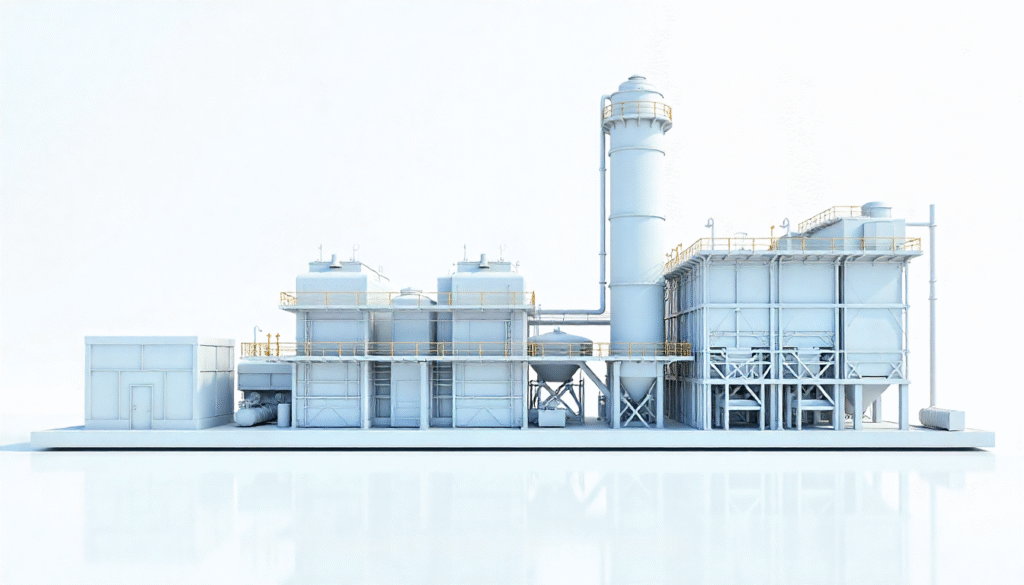
Mineral processing is one of the most complex parts of the mining industry. Ore bodies differ, workflows change from site to site, and every mining project needs clear communication between engineers, stakeholders, investors, and local communities. This is exactly where 3d animation in mineral processing is transforming how modern mining operations visualize, simulate, and explain complex processes.
Mining companies across Australia are rapidly adopting 3D mining animations, virtual reality, augmented reality, and interactive 3D tools to streamline project planning, improve stakeholder communication, and enhance safety training.
The use of 3D resources is essential for mining companies to track progress. Instead of relying on static diagrams, teams can now walk through animated 3d layouts, see the life-of-mine cycle, use 3d animation in ore processing, simulate ore flow, and visualize environmental impact with advanced visualization.
Let us break down how 3d animation for the mining sector is simplifying mineral processing and supporting mining in 2025 and beyond.
Why 3D Animation Matters in Mineral Processing
Traditional process sheets or technical PDFs make sense to engineers but often confuse non-technical audiences. 3d animation in mineral processing solves this by offering visually compelling, easy-to-understand models that show exactly how ore passes through crushing, grinding, flotation, leaching, and recovery steps.
Animations can show
-
How ore bodies are accessed
-
How does equipment move material
-
Where bottlenecks occur
-
How the workflow changes with different grades
-
Environmental management plans and reclamation phases are better understood through animation, helping mining companies to track their commitments.
This makes the entire mining process more transparent and easier to evaluate for investors, regulators, and communities through the use of 3D visualizations.
Enhancing Understanding Through 3D Mining Process Animation
The biggest challenge in the mining sector is explaining complex mining operations to people who are not engineers. Life-of-mine animations let mining companies showcase the entire mining project from exploration to reclamation, and this is exactly why mining companies use 3D animations to make every stage easier to understand.
Animation allows you to
-
Visualize complex processes step by step
-
Simulate real scenarios
-
Create 3d animated and animated 3d sequences
-
Show safety procedures and environmental management
-
Highlight the impact of sustainable mining practices
Mining projects often depend on clear communication, especially when dealing with stakeholders and mining investor groups evaluating copper, gold, or copper mining opportunities.
What the Data Says About 3D Visualization in Mining
✔ Research shows that VR and AR training can boost knowledge retention by up to 75 percent, helping trainees understand mining workflows more effectively than traditional classroom methods.
✔ According to AusIMM, 3D visualisation significantly improves mine design, stakeholder communication, and project approval clarity, especially for complex mineral processing workflows.
✔ McKinsey highlights that digital twins and simulation models help mining companies improve operational efficiency and predict maintenance needs, making 3D tools essential in modern mining operations.
These improvements show up consistently across gold exploration projects, copper mining operations, and large-scale Resources Inc sites, proving that the shift toward 3D visualization is more than a trend. It is a measurable performance booster across the mining sector.
Key Benefits of 3D Animation for the Mining Sector
1. Better Safety Training
Immersive VR and 3D models help trainees understand hazards without stepping onto the mine site, as animation brings realistic scenarios to their training. 3D animation improves miners’ safety by making these simulations clearer and more engaging. Animation helps companies teach blasting procedures, heavy equipment zones, or emergency scenarios safely.
2. Faster Stakeholder Communication
Animations provide a clear and visual explanation for non-technical audiences, including local communities, regulators, and investors. This builds trust and reduces misunderstandings.
3. Streamline Project Approvals
When mining companies plan expansions, 3d mining animations make it easier to present workflow layouts, environmental impact visuals, and reclamation commitments.
4. Reducing Operational Costs
Animation helps identify inefficiencies early, allowing mining companies to track improvements effectively. Real-time data integration and digital twins also allow companies to simulate ore flow before installing costly equipment, as animation brings these scenarios to life.
5. Improved Environmental Management
Animations let teams visualize dust control, water treatment, tailings strategies, and land rehabilitation, making it easier for mining companies to track their impact. This is valuable for environmental management plans and community engagement.
2025 Technology Trends in 3D Mining Animation
Mining in 2025 is shifting to fully digital workflows, where animation brings operational insights. These trends are shaping modern 3d mining:
Trends in 3D
-
real-time data integration from sensors and fleet management
-
digital twins for ore processing plants to explore how 3D technology can improve efficiency.
-
interactive 3d training content
-
modern 3d animations for exploration and development
-
VR and AR overlays for on-site workflow assistance in gold mining operations.
-
advanced 3d animation for environmental impact modeling
Industry leaders now use 3d visualization to simulate whole operations by 2025, giving them a competitive edge.
Improving Safety and Training with 3D Mining Process Animation
Mining companies across Australia use 3d mining animations to track safety procedures and ensure trainees understand complex mining tasks. VR scenarios show real danger zones without real risks.
Examples include:
-
Equipment installation animation
-
Proper training in hazardous material handling is essential, and animation brings these risks to the forefront.
-
Ventilation flow mapping
-
Simulated blasting patterns and animation bring clarity to the planning process.
-
Underground evacuation routes
Workers learn faster because animations let them see what actually happens instead of imagining a process.
How to Integrate 3D Animation Into Your Mining Operations
Mining companies can start using 3d animation in mineral processing by:
1. Digitizing Existing Workflows
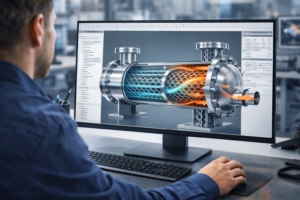
Convert engineering drawings into detailed 3D models using engineering 3d animation to bring the design to life.
2. Creating Advanced Visualization for Ore Flow
Use 3d visualization to show the path from ore extraction to final concentrate.
3. Developing Training Simulations
Build immersive scenarios for trainees and new workers, where animation brings real-world challenges into the training environment.
4. Building Digital Twins
Combine real-time data with animated 3D models for seamless process optimization.
5. Using Interactive Dashboards
Integrate animations with ERP, fleet management, and monitoring systems.
Environmental Sustainability: Monitoring Impact with Animations
Modern mining operations use 3d animation to show:
-
mine site disturbances
-
progressive land rehabilitation through the understanding of complex environmental factors.
-
long-term reclamation
-
water and waste management
-
environmental impact before approval
Animations communicate these plans clearly to local communities and regulatory teams.
Why 3D Animation Is Becoming a Must-Have in Mining
At the end of the day, 3d animation in mineral processing is not just a cool visual upgrade. It is becoming one of the most practical tools the mining industry can use. When you see a full 3d model of your mine site, or watch ore flow through each stage in an animation, everything suddenly makes sense. Stakeholders understand faster, trainees learn faster, and mining companies communicate their plans with a lot more confidence.
What used to take pages of diagrams and long meetings can now be explained in a few minutes using immersive 3d and interactive models. And as mining heads deeper into digital transformation, tools like digital twins, VR, and real-time data integration are only going to become more common. They help companies reduce risks, improve environmental management, and plan future mining projects with clarity.
So if you are exploring new mining projects, preparing for investor meetings, or trying to simplify complex workflows for your team, using 3d animation is one of the easiest ways to raise the quality of your communication. It makes mineral processing easier to visualize, easier to explain, and a whole lot easier to understand.
Ready to see what great 3D can really do? Come explore our collection of professional 3D animations, visual storytelling projects, and photorealistic product renders. You might just find the perfect style for your next project.
FAQs: Simplifying Mineral Processing
What is the process of 3D animation?
The process includes modeling, texturing, lighting, animating, and rendering. In mining, this creates accurate visualizations of equipment, ore flow, and entire mine sites.
What are the three stages of mineral processing?
The three core stages include comminution, concentration, and dewatering.
What are 3D animation examples in mining?
Examples include blasting simulations, ore processing sequences, equipment installation animation, digital twins, and environmental impact models.
Why is a 3D mining process animation a necessity for modern mining?
It simplifies complex mining processes, improves safety, enhances communication, and reduces project risks.
How do 3D mining animations enhance safety?
They show real hazards using immersive training simulations without exposing trainees to real danger, enhancing their understanding of complex scenarios.
How does 3d animation contribute to environmental sustainability in mining?
It visualizes reclamation, water management, air quality control, and waste strategies clearly for stakeholders.
Is the technology accessible to small or mid-sized mining operators?
Yes, animation brings a new level of engagement to communication. Modern 3d mining tools are cost-effective and scalable based on project size.
Can these 3D visualizations integrate with existing ERP or fleet management systems?
Yes. Many platforms support real-time data integration for advanced 3d and digital twin workflows.